5 Key Buyers' Responsibilities for Tax Exemption Certificates
Written by Melisha Daniels, Managing ConsultantDecember 14, 2025
For Sales & Use tax purposes, every business to business sale involves 2 parties: the Seller and the Buyer. And every transaction involving the exchange of goods or services for consideration have Sales & Use tax implications for both parties.
From the buyers’ perspective, a purchase is either taxable or not taxable. Tax should be charged on taxable sales and not charged on sales that are not subject to sales & use tax. An exempt transaction is a taxable transaction that qualifies for an exemption.
If the sales transaction is exempt, a valid and properly executed exemption certificate should be provided by the buyer to substantiate the exemption. Otherwise the transaction reverts back to taxable status.
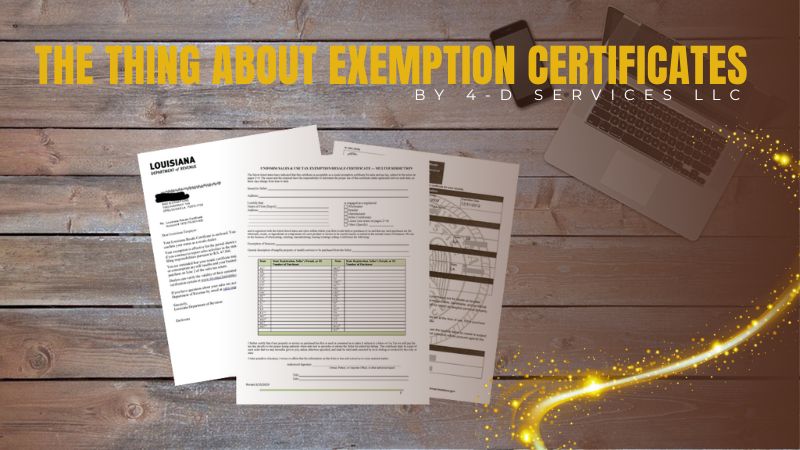
Because a sales transaction that is exempt from Sales & Use tax requires the buyer to provide a tax exemption certificate, it's crucial to understand your responsibilities as a buyer. Improper use can lead to penalties and back taxes.
Here are 5 key responsibilities for buyers:
Claim the Exemption
Claiming the exemption is the most important part of tax exemption certificate compliance, for both parties. Asserting your exempt status at the point of contract, purchase order or invoice, triggers the exchange of exemption certificates. It is the buyer’s responsibility to ensure the seller receives the certificate. Many states’ tax exemption laws require the exemption certificate to be issued at the time of the sale or a reasonable period soon after. As such, the buyer should not expect retroactive exemptions or refunds for sales where the certificate was not provided In the time period prescribed by law.
Proper Use of Certificate
Asserting exempt status on a purchase by issuing a tax exemption certificates, should only be done for qualifying exempt purchases. This means the items or services being purchased must meet the specific criteria outlined in the exemption laws and regulations of the relevant jurisdiction. This ensures the exemption certificate provided aligns with the intended use. In some states, misuse of an exemption certificate is a misdemeanor offense.
Completing and Executing the Certificate
Tax exemption certificates are valid if they are complete and properly executed. The buyer is responsible for ensuring the exemption certificate includes all the required information, such as business name, address, tax ID number, and a clear description of the reason for the exemption. Incomplete or inaccurate certificates may be rejected, resulting in the collection of sales tax.
Proper Registration and Certificate Renewal
Many exemption certificates have registration requirements and/or expiration dates. The buyer is responsible for being informed about tax laws surrounding their exempt products or services. The buyer must maintain compliance with regulations that may affect your exemption status. As failure to maintain proper registration or renew on time can result in loss of exemption privileges. So, track renewal deadlines carefully.
Record-Keeping
Maintain thorough records of all purchases made with tax exemption certificates. This includes copies of the certificates provided to sellers, invoices, contracts and any supporting documentation that justifies the exemption. These records are essential for demonstrating compliance with tax laws during audits.
Issuing tax exemption certificates is no easy task. Claiming exempt status and using tax exemption certificates requires diligent attention to detail and a strong understanding of applicable regulations. These 5 key buyers’ responsibilities will help to ensure compliance and avoid potential collection of tax on exempt purchases.